
Reliable Production Systems Require High Quality Pneumatic Components
Reliable production systems depend on consistent performance, precise control, and durable mechanical support to maintain steady output quality. High quality pneumatic components contribute significantly to smooth operation by enabling controlled motion and efficient energy use. They enhance stability across systems where repeatability and precision are essential for continuous performance.
Role of Pneumatic Components in Production Systems
These components ensure controlled force delivery, helping machines perform tasks with accuracy and reduced variation.
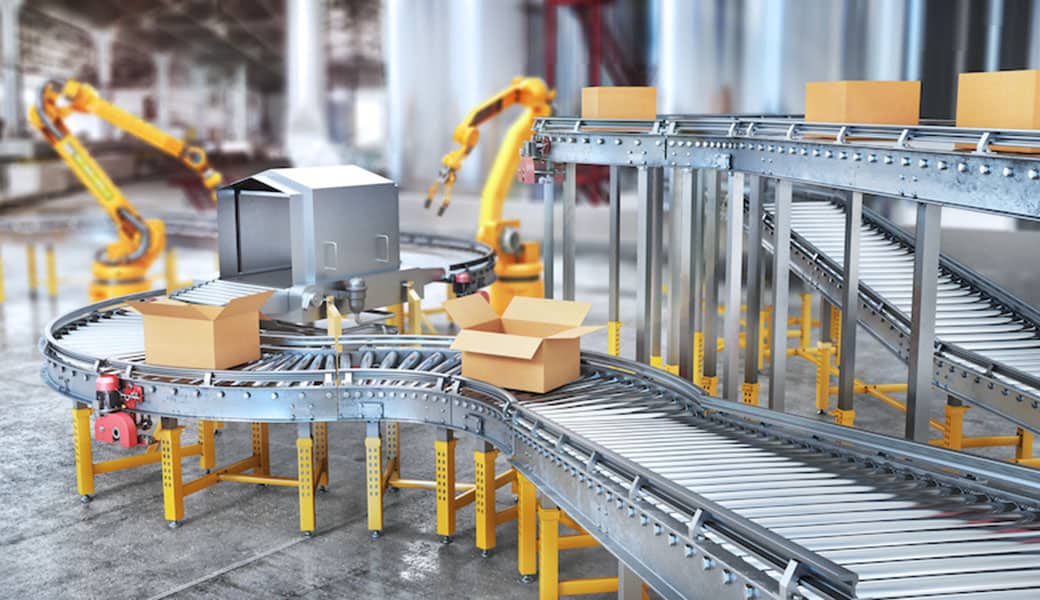
Key Benefits Include:
- Stable pressure regulation for consistent output
- Improved cycle efficiency in automated processes
- Reduced wear due to optimized airflow design
- Enhanced safety through controlled mechanical movement
- Reliable operation under varying load conditions
Efficiency and Performance Optimization
Efficient production environments rely on components that minimize energy loss while maximizing operational output. Advanced pneumatic systems support this balance by ensuring smooth transitions and responsive action in workflows.
Performance Enhancements:
- Faster response times in mechanical operations
- Optimized energy consumption during continuous use
- Higher throughput with stable system behavior
Durability and System Reliability
Long lasting production systems require components that withstand repeated use without performance degradation. Durable pneumatic elements provide resilience against pressure fluctuations and mechanical stress.
Durability Advantages:
- Extended operational lifespan of equipment
- Reduced maintenance frequency requirements
- Consistent performance under heavy workloads
Advanced System Integration
Modern industrial setups often explore advanced resources such as https://www.hebaiele.com/ru/ to better understand how pneumatic technology supports efficiency and reliability. Such insights help improve system design, enhance productivity, and ensure stable long term operation across applications.
Integration Benefits:
- Better system coordination across components
- Improved operational consistency in production cycles
- Enhanced adaptability for varying workloads
Operational Stability and Control
High quality pneumatic components remain essential for building reliable production systems that deliver steady performance and long term value. Their contribution to precision, durability, and efficiency ensures that modern operations continue to achieve strong and consistent results.
Stability Factors:
- Reliable motion control for all processes
- Reduced downtime and improved productivity
- Strong operational stability under pressure
Predictability and System Flow
System designers prioritize components that deliver predictable behavior across repeated cycles of operation. This consistency reduces operational risks and supports uninterrupted production flow.
Predictability Benefits:
- Predictable output performance in all conditions
- Improved system reliability over long durations
- Efficient use of mechanical energy resources
Seamless Industrial Coordination
Advanced pneumatic design also supports smoother integration within complex production environments. This enables multiple system parts to work in harmony without disruption.
Coordination Improvements:
- Seamless integration with mechanical systems
- Reduced friction between system components
- Improved coordination across production stages
Continuous Improvement in Performance
Continuous improvements in pneumatic technology contribute to stronger operational frameworks. They help systems maintain performance even under demanding operational requirements.
Performance Strengths:
- Greater resistance to operational stress
- Improved airflow efficiency in systems
- Long term stability in production output
These advantages collectively ensure that production systems remain dependable, efficient, and adaptable to evolving operational demands. Careful selection of pneumatic components contributes to sustained success and improved system longevity across applications.
Additional Benefits:
- Enhanced lifecycle performance of equipment
- Stable and efficient production output
Well engineered pneumatic solutions help reduce inefficiencies while supporting continuous improvement across industrial systems. They play a vital role in maintaining operational excellence and ensuring reliable long term productivity. Overall, these systems strengthen performance and ensure consistent production outcomes. Continuous refinement further enhances operational reliability and system performance.